
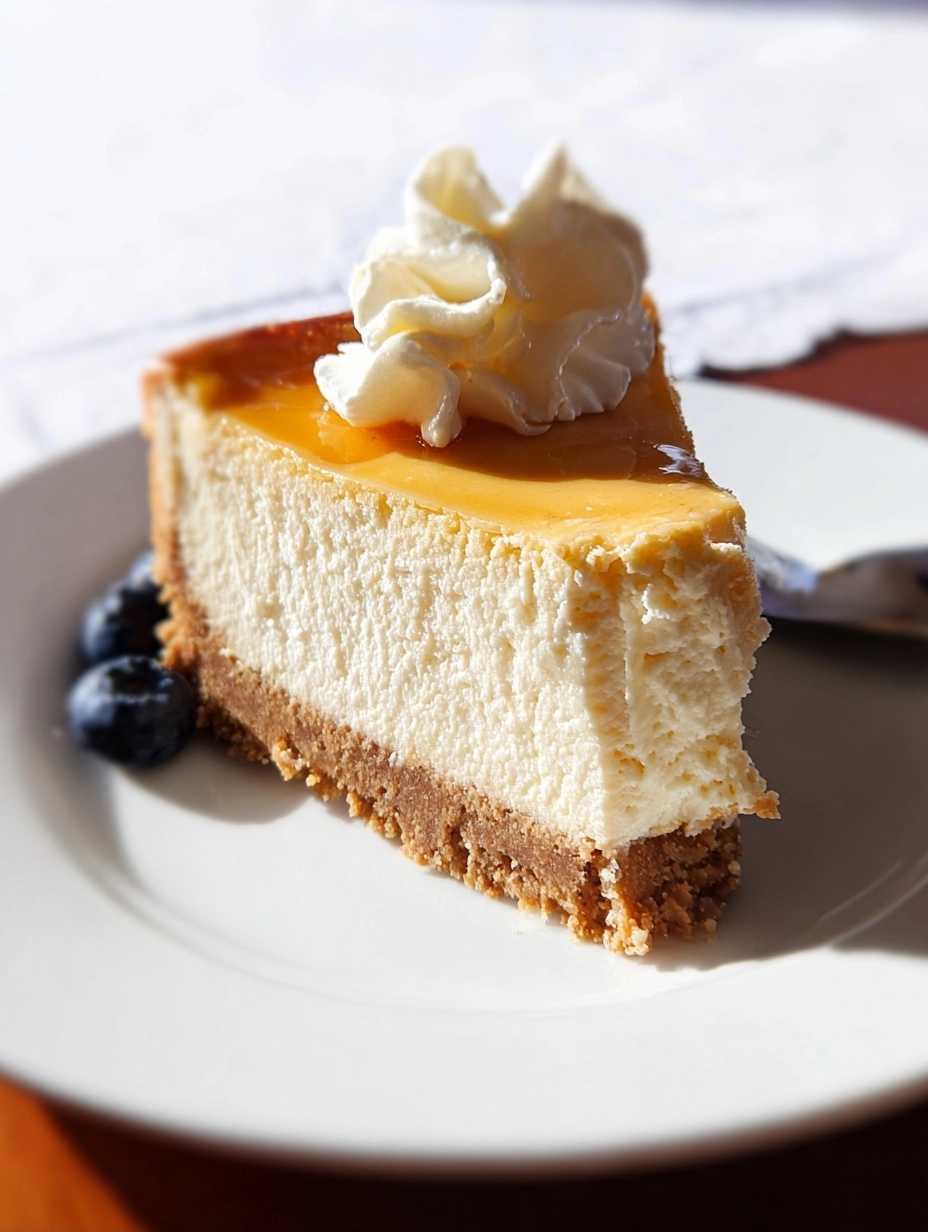
Finding a dessert that aligns with fitness goals often feels like a compromise. Traditional cheesecakes pack high amounts of sugar and fats, yet they lack the protein necessary for muscle recovery or satiety. This high protein Greek yogurt cheesecake changes the game entirely. By swapping heavy cream for Greek yogurt and incorporating high-quality protein powder, you create a creamy, decadent masterpiece that supports your nutritional needs.
This recipe offers a velvety texture and a rich flavor profile that rivals any New York style cheesecake while keeping the calorie count low.
Why You Should Choose Greek Yogurt for Baking
Greek yogurt serves as a powerhouse ingredient in this healthy dessert. Unlike regular yogurt, the Greek variety undergoes a straining process that removes liquid whey, resulting in a thicker consistency and significantly higher protein content. When you bake with Greek yogurt, it adds a pleasant tang that mimics the flavor of traditional cream cheese but with fewer calories and less fat.
Furthermore, the thick texture ensures that the cheesecake sets properly without requiring excessive amounts of flour or synthetic binders.
Nutritional Advantages of High Protein Desserts
A standard slice of cheesecake can easily exceed 400 calories. In contrast, this protein-packed version provides a generous 19 grams of protein per serving for only 180 calories. High protein intake helps maintain lean muscle mass and keeps you feeling full for longer periods.
By using a keto-friendly sweetener instead of refined sugar, you also prevent blood glucose spikes, making this a stable energy source for athletes or anyone monitoring their sugar intake.
Essential Ingredients for the Perfect Cheesecake
The secret to a successful protein cheesecake lies in the quality and temperature of your ingredients. Room temperature cream cheese is non-negotiable; it ensures a smooth batter without lumps. For the Greek yogurt, choose a full-fat or 2% variety for the creamiest mouthfeel, though non-fat versions work if you want to further reduce the calorie count.
The almond flour crust provides a gluten-free, nutty base that complements the citrusy notes of the filling.
Selecting the Best Protein Powder
Not all protein powders are created equal when it comes to baking. A whey-casein blend often works best because casein absorbs moisture, preventing the cheesecake from becoming too rubbery. However, a high-quality whey isolate also yields great results if you do not overbake the cake.
For flavors, vanilla is the most versatile choice, but unflavored protein powder allows the natural tang of the Greek yogurt to shine through. Ensure your protein powder does not contain artificial thickeners that might alter the final texture negatively.
Step-by-Step Preparation Guide
Preparing this cheesecake requires a gentle touch. Start by preheating your oven to 300°F (150°C). Low and slow heat prevents the top from cracking. If you choose to include the crust, mix the almond flour and melted butter until it resembles wet sand.
Press this mixture firmly into the bottom of a lined springform pan. Bake the crust for 10 minutes to set it, then let it cool completely before adding the protein filling.
How to Achieve a Silky Batter
To prepare the filling, use a food processor or a high-speed blender. Combine the softened cream cheese, Greek yogurt, protein powder, eggs, sweetener, vanilla, and optional lemon juice. Pulse the mixture just until it becomes smooth. Over-blending incorporates too much air into the batter, which causes the cheesecake to rise and then collapse, creating deep cracks on the surface.
If you prefer mixing by hand, whisk the cream cheese and yogurt first before folding in the eggs one at a time.
Mastering the Bake and the Cool-Down
Pour the batter over your cooled crust and smooth the top with a spatula. Place the pan in the center of the oven. Bake for approximately 45 to 50 minutes. You know it is done when the edges appear set but the center still has a slight jiggle.
This jiggle is crucial; the cheesecake continues to set as it cools. If the center is firm in the oven, it is likely overcooked.
Preventing Cracks with Proper Cooling
Never take a hot cheesecake directly out of the oven to the counter. The sudden temperature change causes the cake to shrink too quickly. Instead, turn off the oven and crack the door open slightly. Let the cheesecake sit inside for 30 minutes.
This gradual cooling process stabilizes the structure. Once it reaches room temperature, refrigerate it for at least four hours, though overnight is ideal for the flavors to meld and the texture to firm up perfectly.
Creative Toppings and Serving Ideas
While this cheesecake tastes incredible on its own, you can elevate it with various healthy toppings. A fresh berry compote made by simmering raspberries or blueberries with a splash of lemon juice adds a vibrant color and tartness.
For a chocolate twist, drizzle some melted sugar-free dark chocolate over the top. If you enjoy a bit of crunch, toasted almond slivers provide a wonderful texture contrast to the creamy filling.
Nutritional Facts per Serving
| Nutrient | Value per Serving |
|---|---|
| Calories | 180 kcal |
| Total Fat | 9 g |
| Total Carbohydrates | 7 g |
| Net Carbs | 5 g |
| Dietary Fiber | 2 g |
| Sugars | 4 g |
| Protein | 19 g |
Proper Storage Highlights
Store your protein cheesecake in an airtight container in the refrigerator for up to five days. Because of the Greek yogurt and cream cheese, it maintains its moisture well. You can also freeze individual slices. Wrap each slice tightly in plastic wrap and place them in a freezer bag.
To eat, thaw a slice in the refrigerator for a few hours. This makes it an excellent meal-prep option for those who want a daily high-protein treat without the hassle of baking every week.
Final Thoughts on Greek Yogurt Cheesecake
This cheesecake proves that healthy eating does not have to be boring or restrictive. By utilizing the protein in Greek yogurt and supplements, you transform a dessert into a nutritional asset. Whether you serve this at a dinner party or enjoy it as a post-workout snack, it delivers a satisfying experience that supports your health goals.
Follow the cooling instructions carefully, and you will produce a professional-grade cheesecake every single time.
The Recipe
Print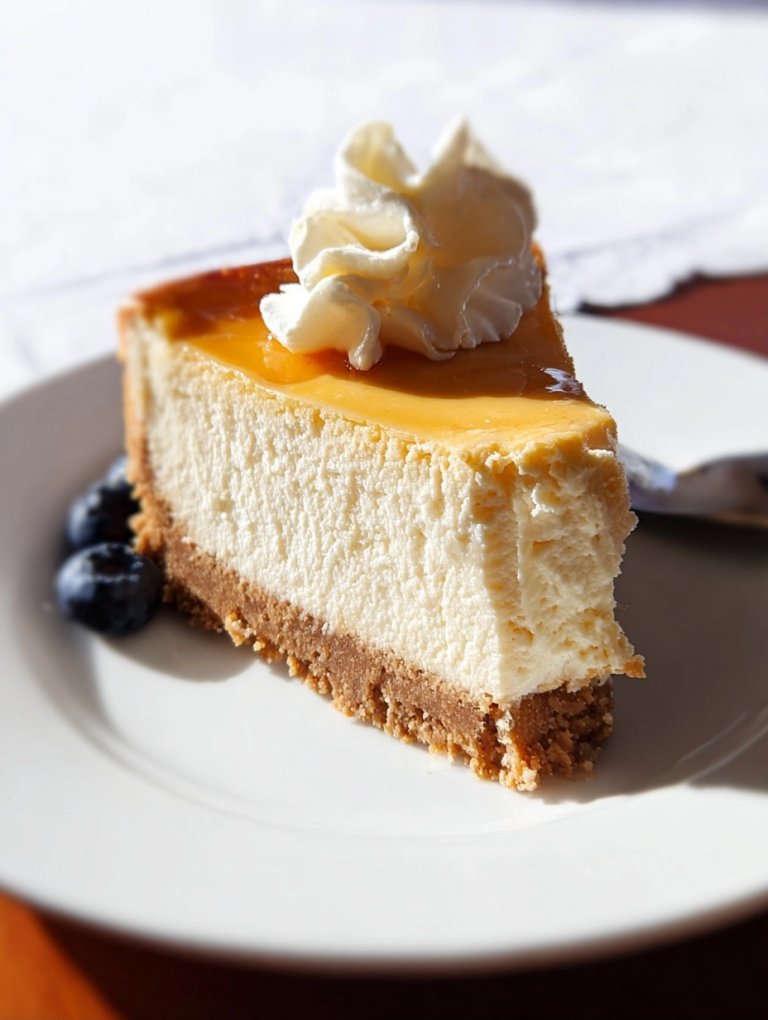
Cheesecake (With Greek Yogurt)
A creamy, velvety high-protein cheesecake made with Greek yogurt and almond flour. Perfect for a low-carb, fitness-friendly lifestyle.
- Total Time: 55 min
- Yield: 12 servings 1x
Ingredients
16 ounces cream cheese, softened
1 1/2 cup Greek yogurt
3 scoops protein powder (vanilla or unflavored)
3 large eggs
1/3 cup keto sweetener
1 tablespoon vanilla extract
1 tablespoon lemon juice
1 1/2 cup almond flour
4 tablespoons butter, melted
Instructions
- Preheat oven to 300°F (150°C) and line an 8-inch springform pan with parchment paper.
- Combine almond flour and melted butter, press into the bottom of the pan, and bake for 10 minutes.
- In a blender, combine softened cream cheese, Greek yogurt, protein powder, eggs, sweetener, vanilla, and lemon juice.
- Blend until just smooth, avoiding over-mixing to prevent air bubbles.
- Pour the batter over the cooled crust and bake for 45-50 minutes until edges are set but the center still jiggles.
- Turn off the oven and leave the cake inside with the door cracked for 30 minutes.
- Refrigerate for at least 4 hours or overnight before serving.
Notes
- Use room temperature ingredients to prevent lumps.
- A whey-casein protein blend typically yields the best texture.
- Do not overbake to keep the texture creamy.
- Prep Time: 10 min
- Cook Time: 45 min
- Category: Dessert
- Method: Baking
- Cuisine: American
- Diet: Low Carb, High Protein
Nutrition
- Serving Size: 1 slice
- Calories: 180 kcal
- Sugar: 4 g
- Sodium: 150 mg
- Fat: 9 g
- Saturated Fat: 5 g
- Unsaturated Fat: 4 g
- Trans Fat: 0 g
- Carbohydrates: 7 g
- Fiber: 2 g
- Protein: 19 g
- Cholesterol: 65 mg