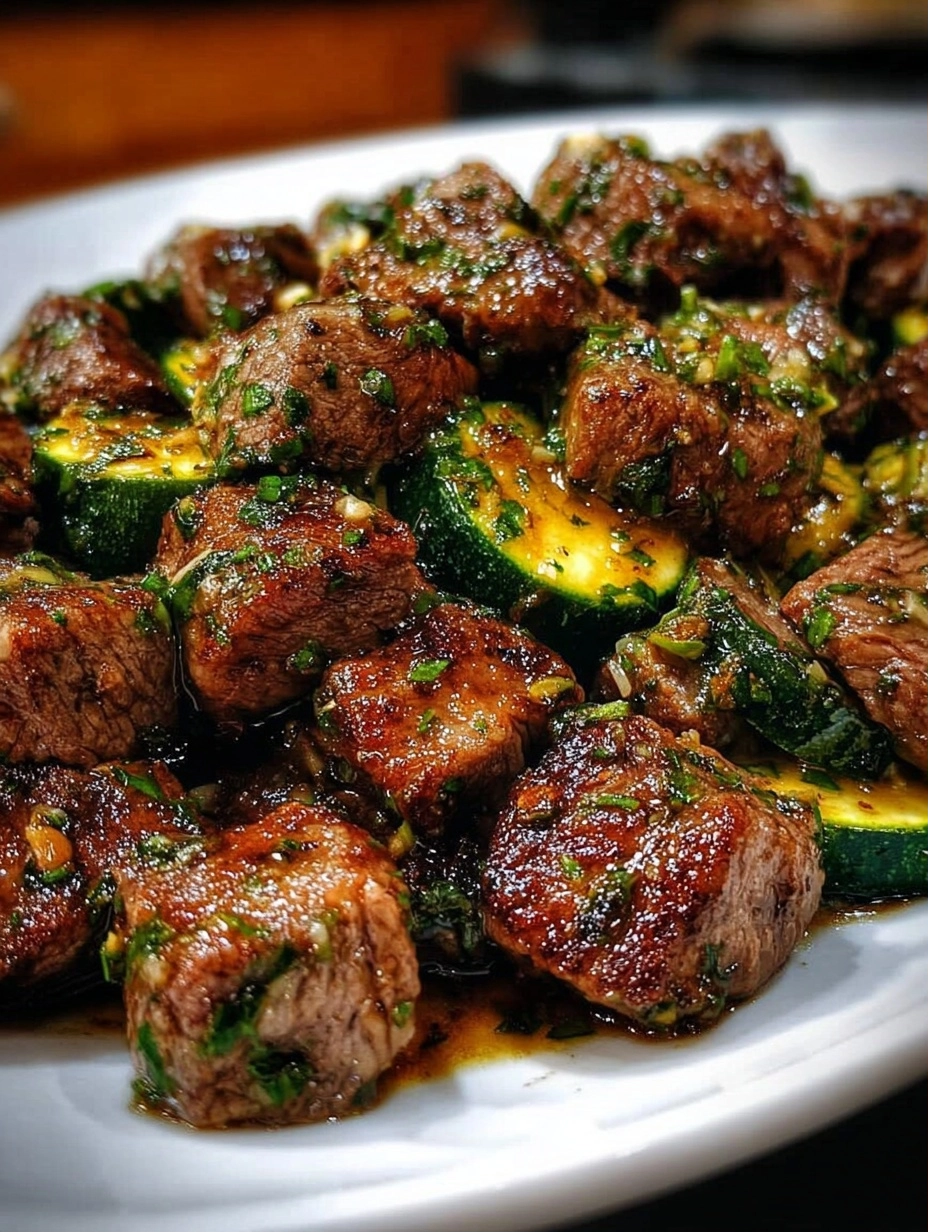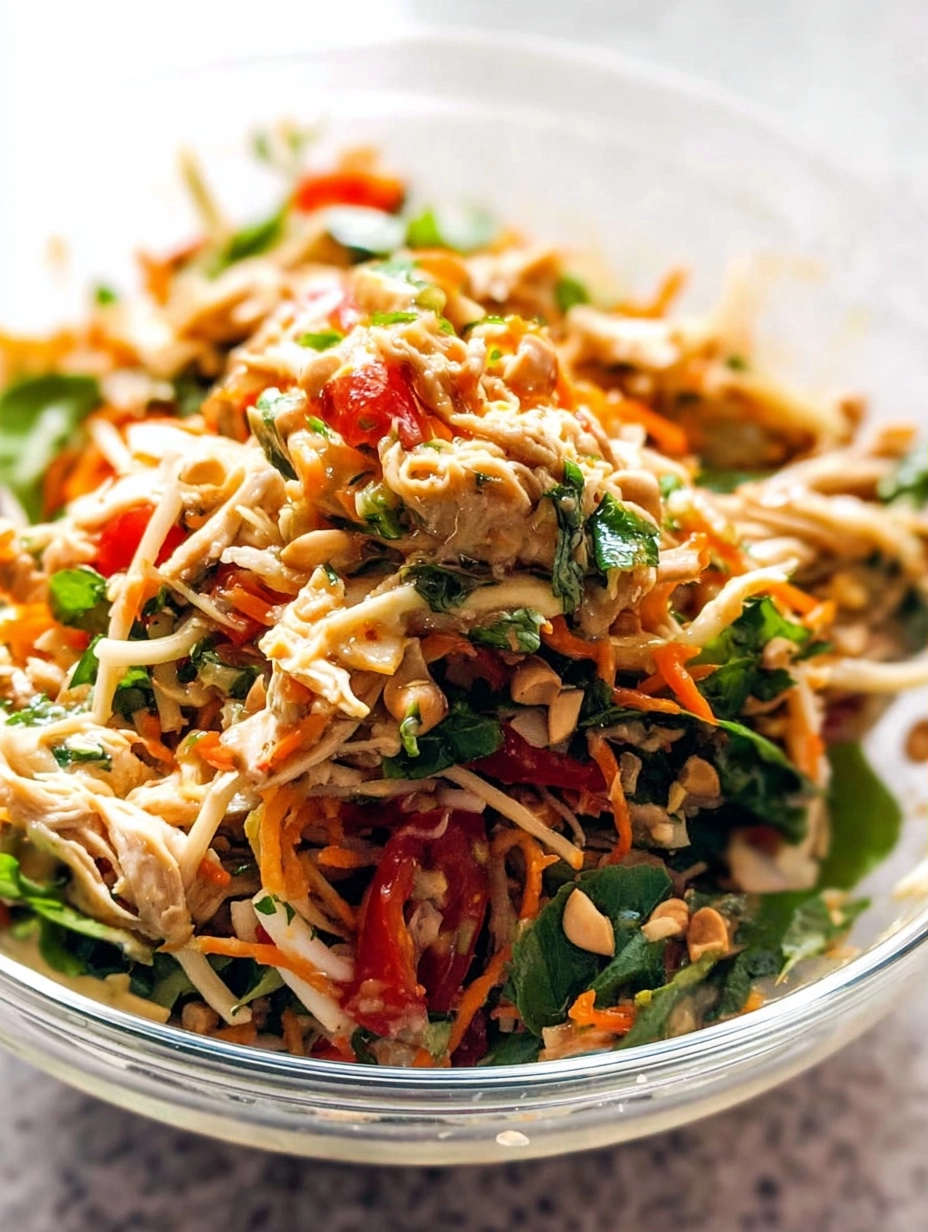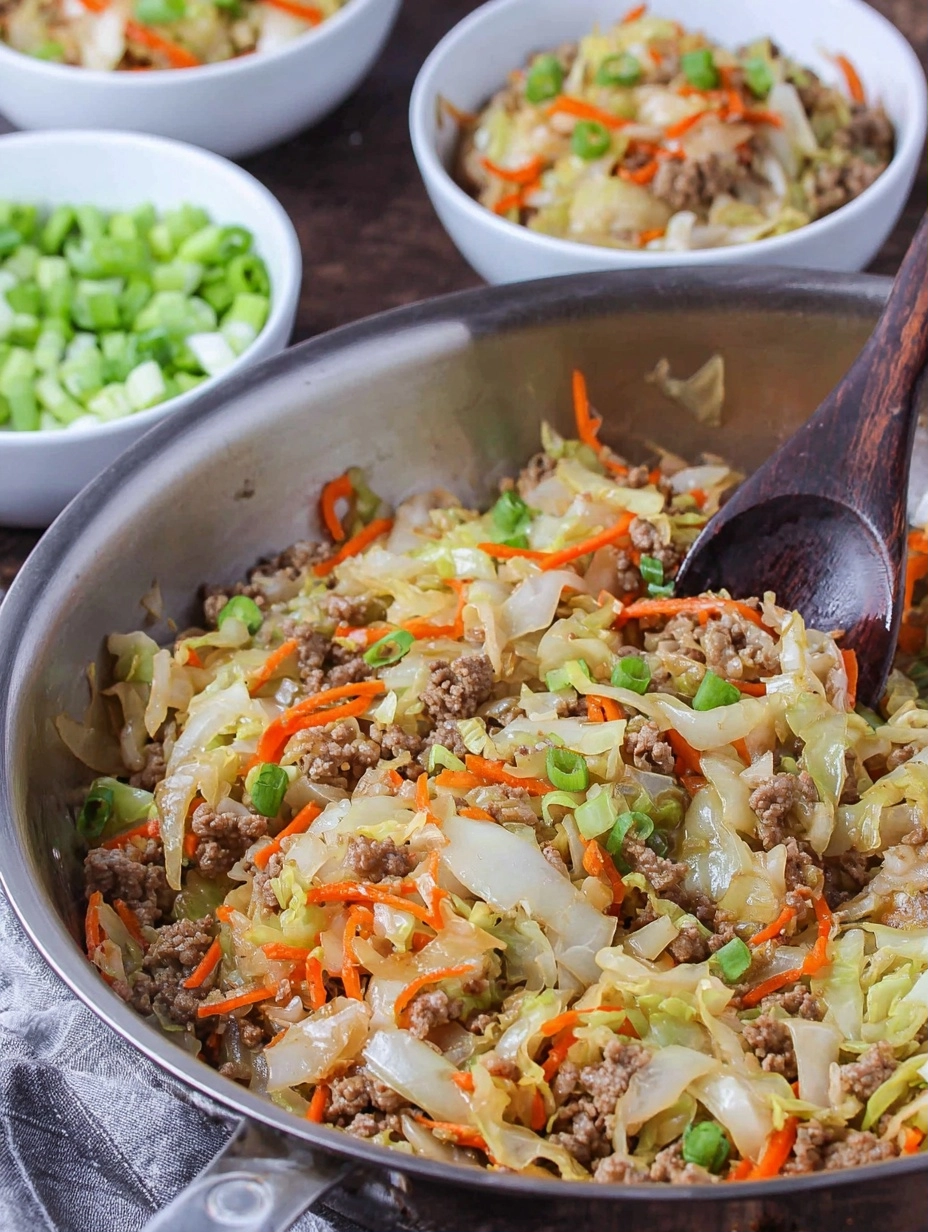

Butter Cauliflower is the vegetarian superstar of Indian-inspired cuisine, offering all the rich, creamy, and aromatic flavors of its famous counterpart but in a plant-forward dish. This guide will walk you through creating a perfect, restaurant-quality Butter Cauliflower at home that’s surprisingly easy to master.
We’ll explore the secrets to getting the sauce silky smooth and the cauliflower beautifully tender with those coveted charred edges.

Beyond being incredibly delicious, this dish is a fantastic way to enjoy a hearty, satisfying meal that’s packed with nutrients. Cauliflower is a low-calorie vegetable high in fiber and vitamins, making this a feel-good comfort food.
Whether you’re hosting a dinner party or need a cozy weeknight meal, this recipe is a guaranteed crowd-pleaser that will have everyone asking for seconds.
What is Butter Cauliflower?
Butter Cauliflower, also known as ‘Cauliflower Makhani,’ is a modern vegetarian classic inspired by the beloved Butter Chicken. It replaces the chicken with roasted cauliflower florets that are simmered in a luxuriously spiced, creamy tomato-based sauce.
The ‘butter’ in the name refers to the rich, velvety texture achieved by using butter and cream, though we provide simple swaps for a vegan version.
The magic lies in the complex spice blend—garam masala, turmeric, cumin, and a hint of warming cinnamon—which creates a deeply flavorful base. The cauliflower soaks up all these incredible flavors while maintaining a satisfying texture. It’s a dish that perfectly balances tangy, savory, and slightly sweet notes, creating a truly addictive culinary experience.
Essential Ingredients for Butter Cauliflower
Gathering the right ingredients is the first step to success. Here’s what you’ll need, with notes on key components.
The Cauliflower & Marinade
The star of the show! One medium head of cauliflower, cut into even-sized florets, ensures uniform cooking. For the marinade, you’ll combine fresh lemon juice (for acidity), corn starch (to help the spices stick and create a light crust), ground cumin, a portion of the ground turmeric and garam masala, and a pinch of salt.
This simple step is crucial for building flavor directly into the cauliflower.
The Aromatic Base & Sauce
This is where the sauce gets its soul. You’ll need unsalted butter (for controlling saltiness), a finely chopped yellow onion, minced garlic cloves, and freshly grated ginger (ground ginger works in a pinch). Tomato paste and an 8-oz.
can of tomato sauce form the rich, tangy tomato foundation. Vegetable broth adds depth, and heavy cream (or full-fat canned coconut milk for a dairy-free alternative) creates the signature creamy, luxurious texture.
The Spice Blend
This recipe uses a divided amount of garam masala and turmeric. You’ll use some for the cauliflower marinade and the rest for the sauce. This technique layers the spice flavors. You’ll also need paprika for color and smokiness, a touch of ground cinnamon for warmth, and an optional pinch of cayenne pepper for heat.
Don’t forget the salt to bring all the flavors together.
Step-by-Step Cooking Instructions
Follow these detailed steps for a flawless Butter Cauliflower every time.
Step 1: Prep and Marinate the Cauliflower
In a large bowl, combine 2 tablespoons of fresh lemon juice, 2 teaspoons of corn starch, 1/2 teaspoon of ground cumin, 1/2 teaspoon of the ground turmeric, 1/2 teaspoon of the garam masala, and 1/2 teaspoon of the salt. Whisk it into a smooth paste. Set this mixture aside while you prepare the cauliflower.
Step 2: Roast the Cauliflower to Perfection
Heat 1 tablespoon of olive oil in a large skillet over medium-high heat. Add the cauliflower florets and cook, tossing occasionally, for 7 to 8 minutes. You’re looking for them to brown in spots and just begin to soften. Reduce the heat to medium, then transfer the hot cauliflower directly into the bowl with the corn starch marinade.
Toss vigorously to coat every piece. Return the seasoned cauliflower to the skillet and cook for another 7 to 8 minutes. This second cook allows the marinade to form a light, flavorful coating and for the florets to become crisp-tender with beautiful charred bits. Transfer the finished cauliflower to a clean bowl and set aside.
Step 3: Build the Rich Butter Sauce
In the same skillet, add the remaining 1 tablespoon of olive oil and 3 tablespoons of unsalted butter. Once melted, add the finely chopped onion. Cook for about 8 minutes, stirring frequently, until the onions are soft and translucent. Stir in the minced garlic, grated ginger, and 2 tablespoons of tomato paste. Cook for 2 minutes until incredibly fragrant.
Now, add the remaining spices: the other 1/2 teaspoon of turmeric, 2 1/2 teaspoons of garam masala, the remaining 1 teaspoon of salt, plus 1 teaspoon of paprika, 1/4 teaspoon of ground cinnamon, and the optional pinch of cayenne. Cook for just 1 minute to toast the spices and unlock their full aroma.
Step 4: Simmer and Combine
Pour in the 8-oz. can of tomato sauce and 2 cups of vegetable broth. Stir well, scraping up any browned bits from the bottom of the pan. Bring the mixture to a boil, then reduce the heat to a gentle simmer. Stir in 1/2 cup of heavy cream (or coconut milk).
Carefully return the roasted cauliflower florets to the skillet, nestling them into the sauce. Let the mixture simmer uncovered for about 15 minutes, stirring occasionally, until the sauce has thickened nicely and clings to the cauliflower.
Step 5: Garnish and Serve
Remove the skillet from the heat. Garnish the Butter Cauliflower generously with fresh chopped cilantro. Serve it hot over a bed of fluffy basmati rice, with a dollop of plain Greek yogurt on the side for a cool, creamy contrast. The yogurt also helps balance the spices if needed.
Expert Tips for the Best Butter Cauliflower
Cauliflower Size Matters: Cut florets into uniform, bite-sized pieces. If they are too large, they won’t cook through properly; if too small, they may become mushy.
Don’t Skip the Char: The initial high-heat roasting of the cauliflower is non-negotiable. It adds a deep, caramelized flavor and better texture that steamed cauliflower simply can’t provide.
Toast Your Spices: Cooking the dried spices in the butter and onion mixture for a full minute is essential. This process, called ‘blooming,’ releases their essential oils and transforms them from raw and dusty to fragrant and complex.
Control the Heat: The cayenne is optional. For a family-friendly version, omit it. For more heat, you can increase the cayenne or add a finely chopped green chili when cooking the onions.
Make it Vegan/Dairy-Free: This recipe is easily adapted. Simply replace the butter with a plant-based alternative and use full-fat canned coconut milk instead of heavy cream. The result is just as rich and creamy.
Serving Suggestions & Pairings
Butter Cauliflower is incredibly versatile. While basmati rice is the classic pairing, consider these alternatives:
- With Bread: Serve with warm naan, roti, or paratha for scooping up every last drop of sauce.
- As a Bowl: Create a nourishing bowl with a base of quinoa or brown rice, the Butter Cauliflower, and sides like a simple cucumber salad or roasted chickpeas.
- Side Dishes: Pair with a cooling raita (yogurt sauce with cucumber and mint), a tangy mango chutney, or a crisp, fresh salad to cut through the richness.
Nutritional Information
This Butter Cauliflower is not only delicious but also offers a good nutritional profile. Cauliflower provides vitamin C, vitamin K, and several B vitamins. The spices, particularly turmeric, are known for their anti-inflammatory properties. Below is the approximate nutritional breakdown per serving.
| Nutrient | Amount per Serving |
|---|---|
| Calories | 325 kcal |
| Total Fat | 28 g |
| Carbohydrates | 24 g |
| Protein | 4 g |
| Dietary Fiber | 6 g |
| Sugars | 7 g |
| Sodium | 890 mg |
Frequently Asked Questions (FAQ)
Can I make Butter Cauliflower ahead of time?
Absolutely! In fact, the flavors often deepen when made a day ahead. Let it cool completely, store it in an airtight container in the refrigerator for up to 3 days, and gently reheat on the stovetop, adding a splash of broth or water if the sauce has thickened too much.
Can I freeze Butter Cauliflower?
Yes, you can freeze it for up to 2 months. However, the texture of the cauliflower may become slightly softer upon thawing and reheating. Freeze in a sealed container and thaw overnight in the refrigerator before reheating.
My sauce is too thin. How can I thicken it?
If your sauce hasn’t reduced enough, simply let it simmer for a few more minutes uncovered. Alternatively, create a slurry by mixing 1 teaspoon of corn starch with 1 tablespoon of cold water. Stir this into the simmering sauce and cook for 1-2 minutes until thickened.
What’s the best substitute for heavy cream?
Full-fat canned coconut milk is the best dairy-free alternative, providing a similar richness and creaminess. For a lighter dairy option, you can use half-and-half, though the sauce will be slightly less luxuriously thick.
Conclusion
Mastering this Butter Cauliflower recipe opens the door to a world of flavorful, satisfying vegetarian cooking. With its perfect blend of spices, creamy sauce, and perfectly cooked cauliflower, this dish is sure to become a regular in your meal rotation.
It’s proof that comfort food can be both indulgent and wholesome. So gather your ingredients, fire up the stove, and get ready to enjoy a homemade Indian-inspired feast that will impress vegetarians and meat-eaters alike. Happy cooking!
The Recipe
Print
Butter Cauliflower
A rich, creamy, and aromatic Indian-inspired curry featuring roasted cauliflower in a velvety spiced tomato sauce. An easy, restaurant-quality vegetarian meal perfect served over rice.
- Total Time: 1 hr 5 min
- Yield: 4 servings 1x
Ingredients
2 Tbsp. fresh lemon juice
2 tsp. corn starch
1/2 tsp. ground cumin
1 tsp. ground turmeric (divided)
3 tsp. garam masala (divided)
1 1/2 tsp. salt (divided)
2 Tbsp. olive oil (divided)
1 medium head of cauliflower (cut into florets)
3 Tbsp. unsalted butter
1 yellow onion (finely chopped)
3 garlic cloves (minced)
2 tsp. freshly grated ginger (sub ground ginger)
2 Tbsp. tomato paste
1 tsp. paprika
1/4 tsp. ground cinnamon
Pinch of cayenne pepper (optional)
1 8-oz. can tomato sauce
2 cups vegetable broth
1/2 cup heavy cream (sub full-fat canned coconut milk)
Basmati rice for serving
Fresh cilantro and whole-milk Greek yogurt for garnish
Instructions
- Combine lemon juice, corn starch, cumin, and 1/2 tsp each of turmeric, garam masala, and salt in a large bowl. Set aside.
- Heat 1 Tbsp oil in a large skillet over medium-high. Cook cauliflower for 7-8 min until browned. Reduce heat to medium, transfer cauliflower to the marinade bowl, toss to coat. Return to skillet and cook another 7-8 min until charred and crisp-tender. Transfer to a bowl.
- Add remaining oil and butter to skillet. Cook onions until translucent (~8 min). Stir in garlic, ginger, and tomato paste; cook 2 min.
- Add remaining turmeric, garam masala, salt, paprika, cinnamon, and cayenne; cook 1 min. Add tomato sauce and broth; bring to a boil.
- Reduce to a simmer, stir in cream (or coconut milk), and return cauliflower to skillet. Simmer uncovered for ~15 min until sauce thickens.
- Garnish with cilantro and serve over rice with a dollop of yogurt.
Notes
- For a vegan version, use plant-based butter and full-fat coconut milk.
- Cut cauliflower into uniform pieces for even cooking.
- Toasting the spices in step 4 is crucial for maximum flavor.
- Adjust cayenne to control heat level.
- Prep Time: 15 min
- Cook Time: 50 min
- Category: Main Course
- Method: Stovetop
- Cuisine: Indian-Inspired
- Diet: Vegetarian
Nutrition
- Serving Size: 1 serving (approx. 1.5 cups)
- Calories: 325 kcal
- Sugar: 7 g
- Sodium: 890 mg
- Fat: 28 g
- Saturated Fat: 14 g
- Trans Fat: 0 g
- Carbohydrates: 24 g
- Fiber: 6 g
- Protein: 4 g
- Cholesterol: 70 mg